The short answer: Book in January or early February. Lift passes start at €36 per person per day. Piste temperatures average -3 °C to +2 °C at the 2,125 m summit. The resort sits in Trentino, northern Italy, roughly a 1 h 30 min transfer from Trento train station or 1 h 15 min from Verona Airport (VRN), which is served by direct flights from several UK airports in around 2 hours.
Which blue runs at Paganella are best for beginners?
Paganella has 11 blue-graded runs totalling around 20 km, spread across three base villages: Andalo (1,040 m), Fai della Paganella (1,010 m), and Molveno (865 m). Beginners should start in the Andalo sector, where the beginner area has carpet lifts and the gradients are the gentlest on the mountain.
The table below lists the most beginner-friendly blue runs with their key stats.
| Run name | Length | Average gradient | Top station | Notes |
|---|---|---|---|---|
| Dosso Larici | 1.8 km | 12% | 1,850 m | Wide, groomed twice daily |
| Rindolen | 2.3 km | 14% | 2,000 m | Consistent gradient throughout |
| Fai 1 | 1.5 km | 11% | 1,600 m | Quietest run on weekday mornings |
| Aghere | 2.1 km | 13% | 1,900 m | Connects back to Andalo base |
| Senaso | 1.6 km | 12% | 1,750 m | Good afternoon sun, south-facing |
Dosso Larici and Rindolen are the two runs most ski schools use for their Day 2 and Day 3 lessons. Both are wide enough that faster intermediate skiers typically use a different lane, reducing the sense of pressure for those still finding their confidence.
What does a beginner ski holiday at Paganella cost in practice?
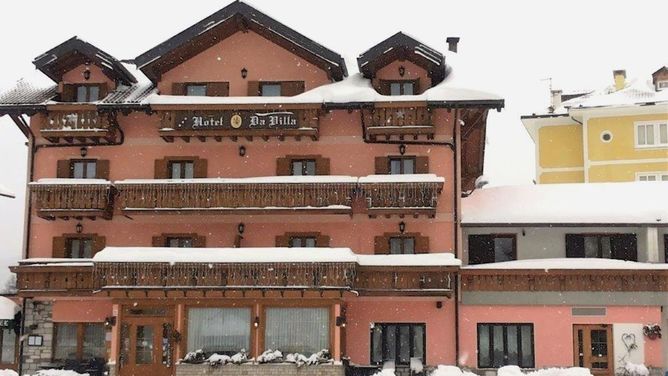
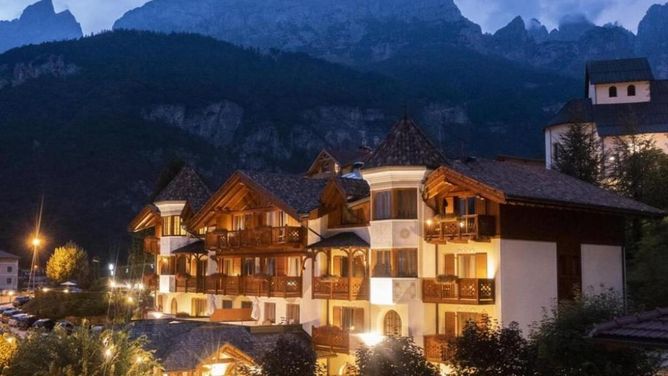
Costs depend on travel timing and accommodation village. Andalo village sits directly at the base of the lifts and tends to be 10-15% more expensive for apartments and hotels than Fai della Paganella, which is a 10-minute shuttle bus ride away.
| Cost item | Low season (Jan weekdays) | Mid season (Feb half-term) |
|---|---|---|
| 6-day adult lift pass | €195 pp | €230 pp |
| Daily lift pass (adult) | €36 pp | €43 pp |
| Group ski lesson (2 h, per day) | €28 pp | €34 pp |
| Ski and boot rental (6 days) | €80-€110 pp | €90-€120 pp |
| Self-catering apartment (7 nights, 2 people) | €420-€600 total | €560-€800 total |
Equipment rental desks are located in Andalo village centre and at the base station. Booking rental online at least two weeks in advance saves around 15% compared with walk-in prices. The resort runs a free shuttle bus between the three villages from 8:00 to 18:00, included in the lift pass from the second day onward.
How reliable is the snow at Paganella for a beginner week?
Paganella's north-facing upper slopes hold snow well through January and February. The summit at 2,125 m means the resort can make artificial snow on all key beginner runs from early December onward. In January, natural snowpack on piste typically measures 60 to 90 cm at 1,800 m.
Snowfall averages for Andalo (1,040 m base) across the core winter months:
| Month | Average snowfall (cm) | Average days with snow cover on blue runs | Risk of closure |
|---|---|---|---|
| December | 45 | 22 | Low (snowmaking backup) |
| January | 65 | 28 | Very low |
| February | 70 | 26 | Very low |
| March | 35 | 18 | Moderate from mid-month |
For a beginner week, January offers the best balance of snow reliability and shorter lift queues. February half-term (typically the last two weeks of February for UK visitors) is popular and prices rise accordingly. March can still work early in the month, but check the snowpack forecast before booking.
For more ski destinations suited to first-timers and families, explore our full wintersport guide.
Frequently asked questions
Is Paganella suitable for complete beginners?
Yes. Paganella has a dedicated beginner area at Andalo (1,040 m) with carpet lifts and six blue-graded runs that are wide, groomed daily, and rarely crowded on weekday mornings.
How much does a lift pass cost at Paganella?
A daily adult lift pass costs from €36 per person in low season (January weekdays). A 6-day pass starts at around €195 per person. Children under 8 ski free.
When is the best time to visit Paganella as a beginner?
January and early February offer the most reliable snow cover (typically 60-90 cm on piste) and shorter lift queues. February school holidays bring higher prices and more crowds.