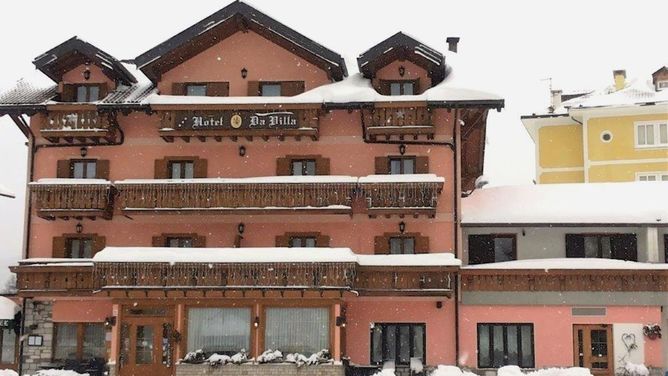
The short answer: Go in February or March, when snow depth above 1,800 m averages 120 to 180 cm. Temperatures range from -8 °C to +2 °C at altitude. Flights from Amsterdam to Salzburg take 2 hours. Packages start from €650 per person in low season and €950 per person in high season, lift passes included.
Which ski areas in Salzburgerland have the best red and black runs for experts?
Salzburgerland contains several interconnected ski regions that rank among Austria's finest for advanced skiers. The terrain above 2,000 m guarantees reliable snow and sustained vertical drop, which is exactly what experienced skiers need to build speed and test technique.
The Ski Amadé alliance alone covers over 760 km of marked pistes across five regions, with a meaningful portion classified red or black. Obertauern stands out with a compact, high-altitude bowl where 70% of its 100 km of pistes are red or black and the base village sits at 1,740 m. Saalbach-Hinterglemm offers 270 km of pistes with long, flowing reds and genuine blacks on the Schattberg and Zwölferkogel. Zell am See and the Kaprun glacier add glacier skiing up to 3,029 m, keeping conditions consistent even in warm spells.
| Ski area | Total pistes (km) | Red / black share | Top altitude (m) | Lift pass 6 days (approx. EUR) |
|---|---|---|---|---|
| Obertauern | 100 | 70% | 2,313 | €270 |
| Saalbach-Hinterglemm | 270 | 60% | 2,096 | €295 |
| Zell am See / Kaprun | 138 | 55% | 3,029 | €310 |
| Ski Amadé (combined) | 760 | 55% | 2,185 | €350 |
For raw steepness, the Nachtfalter black at Obertauern and the Nordabfahrt at Saalbach-Hinterglemm are benchmark runs. Both exceed 35 degrees on their steepest pitches and are groomed on alternate days, meaning you will encounter both corduroy and natural snow in a single descent.
When should advanced skiers visit Salzburgerland for the best conditions?
The sweet spot for expert skiers is mid-January through mid-March. Avoid the Christmas to New Year period if you prefer uncrowded slopes; lift queues at key linking stations can add 20 to 30 minutes per run during the holiday peak.
February is the month with the deepest natural snow base and the longest daylight hours that still feel like winter. Average snow depth at 2,000 m in February is around 150 cm across the region, and temperatures typically stay below freezing through the afternoon, keeping piste surfaces firm. March brings warmer mornings, which soften the snow by midday and create excellent spring carving conditions from 09:00 to 12:00 before the sun softens the lower slopes.
| Month | Avg. temp at 2,000 m (°C) | Avg. snow depth at 2,000 m (cm) | Lift queue risk | Price index vs. peak |
|---|---|---|---|---|
| January | -8 to -4 | 100 to 140 | Low | -20% |
| February | -6 to -2 | 140 to 180 | Medium | Peak (100%) |
| March | -4 to +2 | 120 to 160 | Low to medium | -10% |
| April | 0 to +6 | 60 to 100 | Low | -30% |
Book accommodation in Obertauern or Saalbach-Hinterglemm at least three months in advance for February. In January and March, last-minute availability is more common and prices drop noticeably.
What practical details do advanced skiers need before booking Salzburgerland?
Getting there: Salzburg Airport (SZG) is served by direct flights from Amsterdam Schiphol year-round, with a flying time of around 2 hours. Innsbruck Airport is a viable alternative for the western parts of the region, also approximately 2 hours from Amsterdam. From Salzburg, transfer times to major ski areas range from 45 minutes (Zell am See) to 1 hour 30 minutes (Obertauern).
Lift passes: Ski Amadé covers most of the region on one pass. A 6-day Ski Amadé pass costs approximately €350 for adults in the 2025/26 season. If you plan to focus on one area, a local pass for Obertauern or Saalbach-Hinterglemm saves around €50 to €80 for the week.
Ski rental: Quality carving and all-mountain skis are available in every resort village. Expect to pay €25 to €40 per day for advanced-category equipment, or €130 to €200 for a 6-day rental package including boots and poles.
Instruction: Even experienced skiers benefit from a half-day session with a local guide, particularly to learn which off-piste routes open safely after a fresh snowfall. Off-piste zones in Obertauern and around the Kaprun glacier are extensive but require local knowledge of avalanche terrain.
| Practical detail | Estimate |
|---|---|
| Flight Amsterdam to Salzburg | 2 hours |
| Transfer Salzburg to Obertauern | 1 hour 30 minutes |
| Transfer Salzburg to Zell am See | 45 minutes |
| 6-day Ski Amadé lift pass (adult) | €350 |
| 6-day ski rental (advanced category) | €130 to €200 |
| Package holiday from Amsterdam (7 nights, Feb) | from €950 pp |
| Package holiday from Amsterdam (7 nights, Jan) | from €650 pp |
For more inspiration and to compare all ski destinations, visit our complete overview at /wintersport.
Prices in this article are 2025/26 season rates. Rates for 2026/27 differ per ski area; check the ski area's own website or our lift pass guide.
Frequently asked questions
What is the best month for advanced skiing in Salzburgerland?
February and March offer the best combination of snow depth, groomed pistes, and sunshine. Snow cover on runs above 1,800 m is typically at its most reliable in February.
How difficult are the black runs in Salzburgerland?
Black runs in Salzburgerland such as the Hahnenkamm in Kitzbühel reach gradients of up to 85% on the steepest sections. Strong parallel turns and experience with variable snow conditions are required.
How much does a ski holiday in Salzburgerland cost for advanced skiers?
A one-week package including flights from Amsterdam, accommodation, and a lift pass starts from around €650 per person in January, rising to approximately €950 per person in peak February weeks.