The Adriatic Coast in Croatia is one of Europe's most rewarding winter-sun destinations, offering around 7.1 hours of sunshine per day, daytime temperatures of roughly 14C, and a sea temperature of about 16C. With 20 accommodations available on Nivosola from just EUR 88 per person, it is an accessible and genuinely warm escape from a grey northern winter. Whether you are after coastal walks, cultural sightseeing, or simply sitting in the sun with a coffee by the water, this stretch of the Croatian coast delivers.
Winter Climate on the Adriatic Coast
Winters on the Croatian Adriatic Coast are mild and sunny by European standards. Expect daytime highs around 14C, which is comfortable for exploring on foot, dining outside at lunchtime, and enjoying the scenery without the heat and crowds of summer.
With approximately 7.1 hours of sunshine per day, you get meaningful daylight to make the most of every day. Rainfall does occur in winter, but clear bright days are the norm rather than the exception, making this a reliable choice for a warm-weather break between November and March.
Who Is This Destination Right For
The Adriatic Coast suits a wide range of travellers. Couples looking for a relaxed, romantic escape will find quiet harbour towns, excellent seafood restaurants, and atmospheric old cities virtually free of tourist crowds. Active travellers can hike coastal paths, cycle between villages, and explore national parks that are far more pleasant to visit in cooler temperatures.
Families with older children who enjoy history and outdoor exploration will find plenty to keep everyone engaged. It is less suited to those whose main priority is swimming and sunbathing, since the sea and air temperatures, while mild, are not tropical. Think of it more as an active cultural winter break with a warm edge rather than a classic beach holiday.
Beaches and the Sea
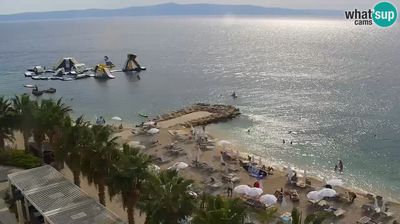
The Adriatic Coast is famous for its clear, clean water and its mix of pebble beaches and rocky coves. In winter the sea temperature sits at around 16C, which is refreshing rather than warm enough for comfortable swimming for most people, though hardy swimmers do take a dip.
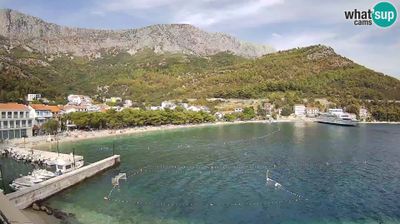
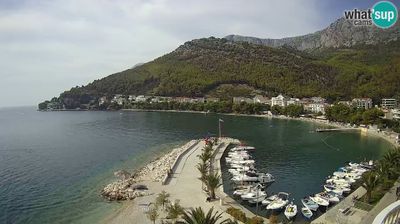
The beaches themselves are beautiful to walk along and are completely uncrowded in winter. The dramatic coastal scenery, with limestone cliffs, pine trees, and turquoise water, looks just as spectacular in January as it does in July, and you will have much of it to yourself.
Things to Do on the Adriatic Coast in Winter
Croatia's Adriatic Coast offers a rich programme of things to do beyond the beach. Historic walled cities such as Dubrovnik and Split are genuinely easier to explore in winter, with shorter queues, lower prices, and a more authentic local atmosphere. UNESCO-listed old towns, Roman ruins, medieval fortresses, and vibrant local markets all reward a slower pace of travel.
Nature lovers can visit Plitvice Lakes National Park or the Krka waterfalls, both of which take on a different and equally beautiful character in winter. Local restaurants serve fresh Adriatic fish and traditional Croatian dishes at their best during the quieter months, and wine tasting at small regional producers is a rewarding way to spend an afternoon.
Getting There and Best Time to Go
The Croatian Adriatic Coast is served by several airports including Dubrovnik, Split, and Zadar, with direct and connecting flights available from most major European cities. Journey times by air from Western Europe are typically between two and three hours, making it a very manageable short or medium haul destination.
The best winter months to visit are November through to the end of February if you want mild temperatures and minimal crowds. March starts to feel a little warmer and the shoulder season begins, so prices can edge up slightly. Booking through Nivosola gives you access to 20 verified accommodations from EUR 88 per person, covering a range of budgets and styles along the coast.
Climate in Adriatische kust
Monthly average air and sea temperature and sunshine hours per day (2021-2024). Source: Open-Meteo.
Adriatische kust on the map
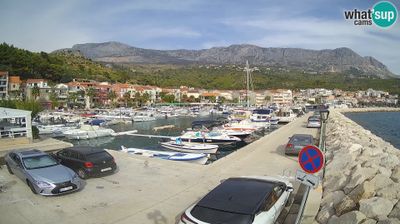
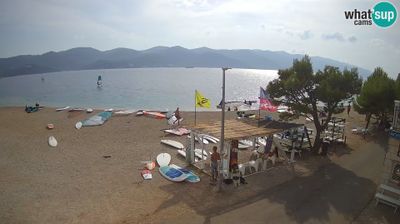
📷 Webcams

Accommodations in Adriatische kust
Adriatische kust, Kroatië
Apartmani Baresic
Adriatische kust, Kroatië
Villa Sunset Plat
Adriatische kust, Kroatië
Villa Vicko
Adriatische kust, Kroatië
Apartments Silvija
Adriatische kust, Kroatië
Apartments Vila Riva
Adriatische kust, Kroatië
Villa Liburnum
Adriatische kust, Kroatië
Bacan Serviced Apartments
Adriatische kust, Kroatië
Villa Zubcic
Adriatische kust, Kroatië
Apartments Dubrovnik Lapad
Adriatische kust, Kroatië
Pervanovo Apartments
Adriatische kust, Kroatië
Heritage Hotel Tisno
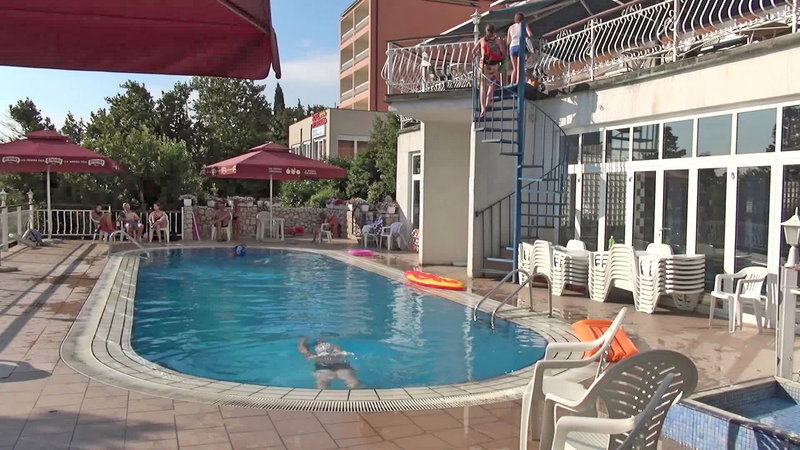 Crikvenica10.0
Adriatische kust, Kroatië
Mediteran Maradiso Hotel by Aminess
Adriatische kust, Kroatië
Apartments Didan
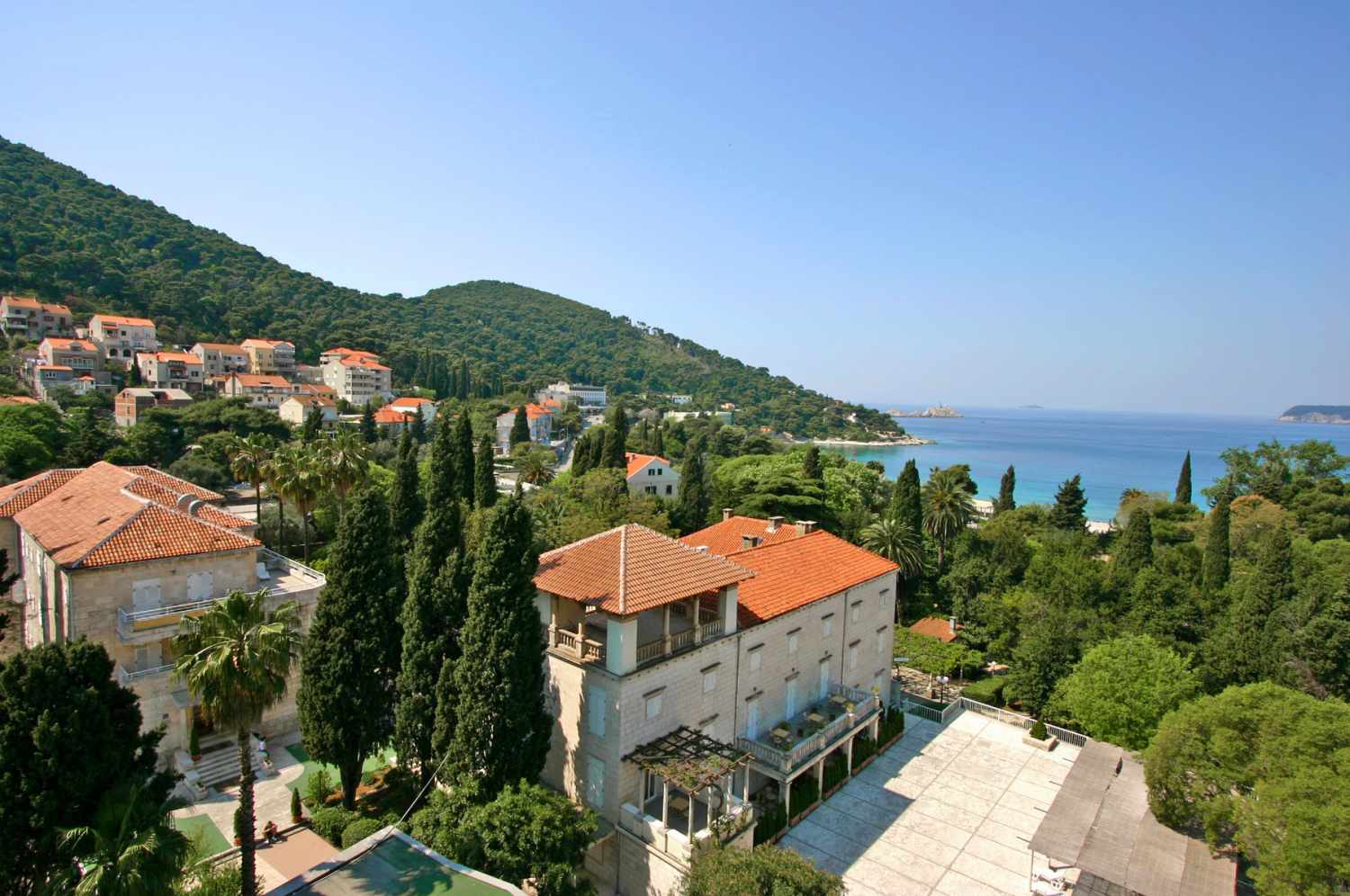 Dubrovnik10.0
Adriatische kust, Kroatië
Grand Hotel Park
Adriatische kust, Kroatië
Heritage Hotel Armerun
Adriatische kust, Kroatië
Srebreno Premium Apartments
Adriatische kust, Kroatië
Hotel Ivka
Adriatische kust, Kroatië
Brown Beach House
Adriatische kust, Kroatië
Aminess Younique Narrivi Hotel
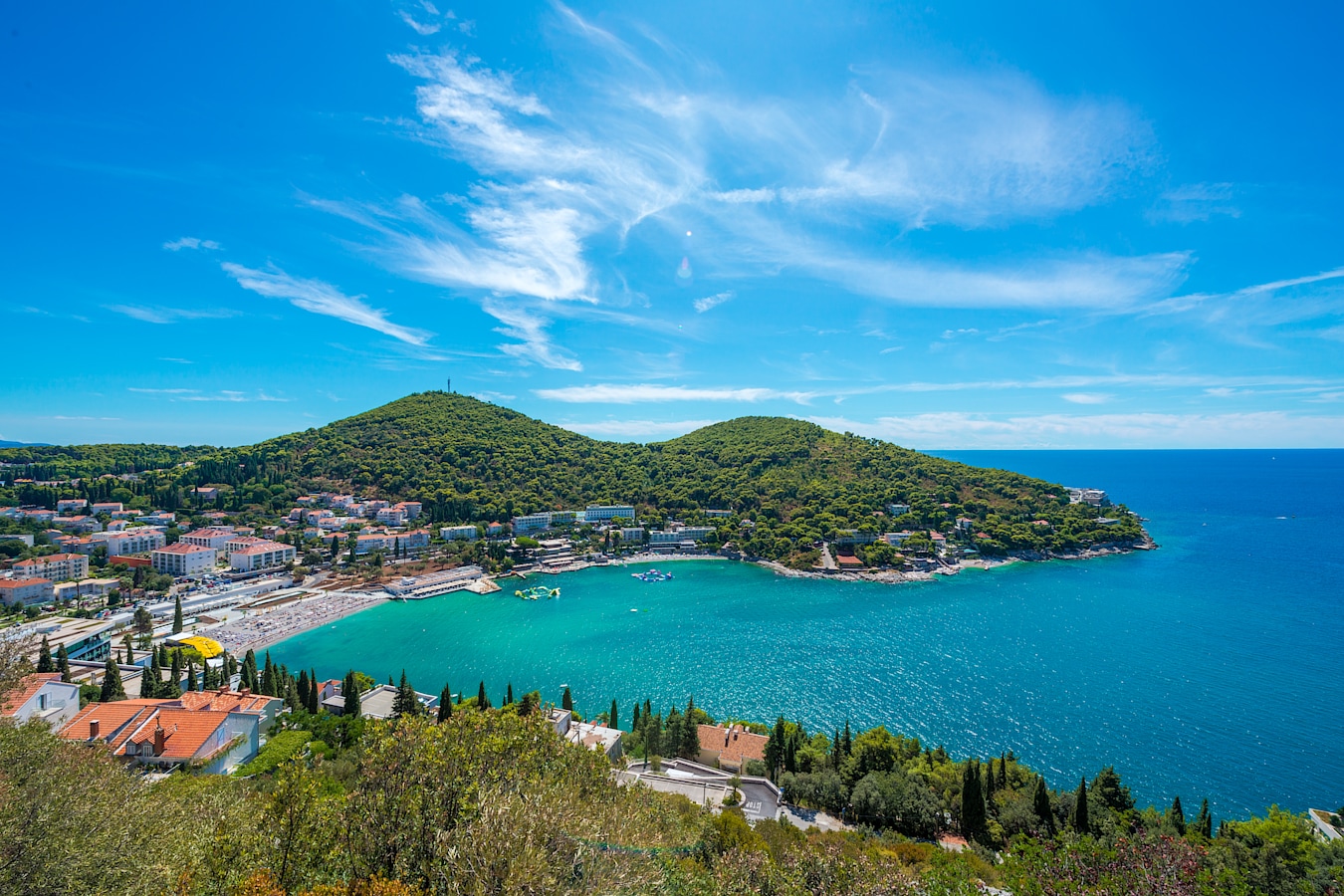 Dubrovnik10.0
Adriatische kust, Kroatië
Hotel Splendid
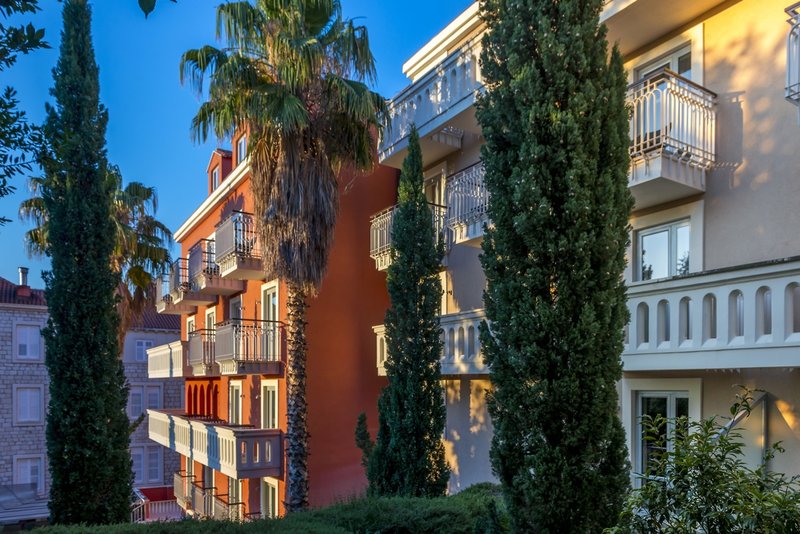 Dubrovnik10.0
Adriatische kust, Kroatië
Hotel Lapad
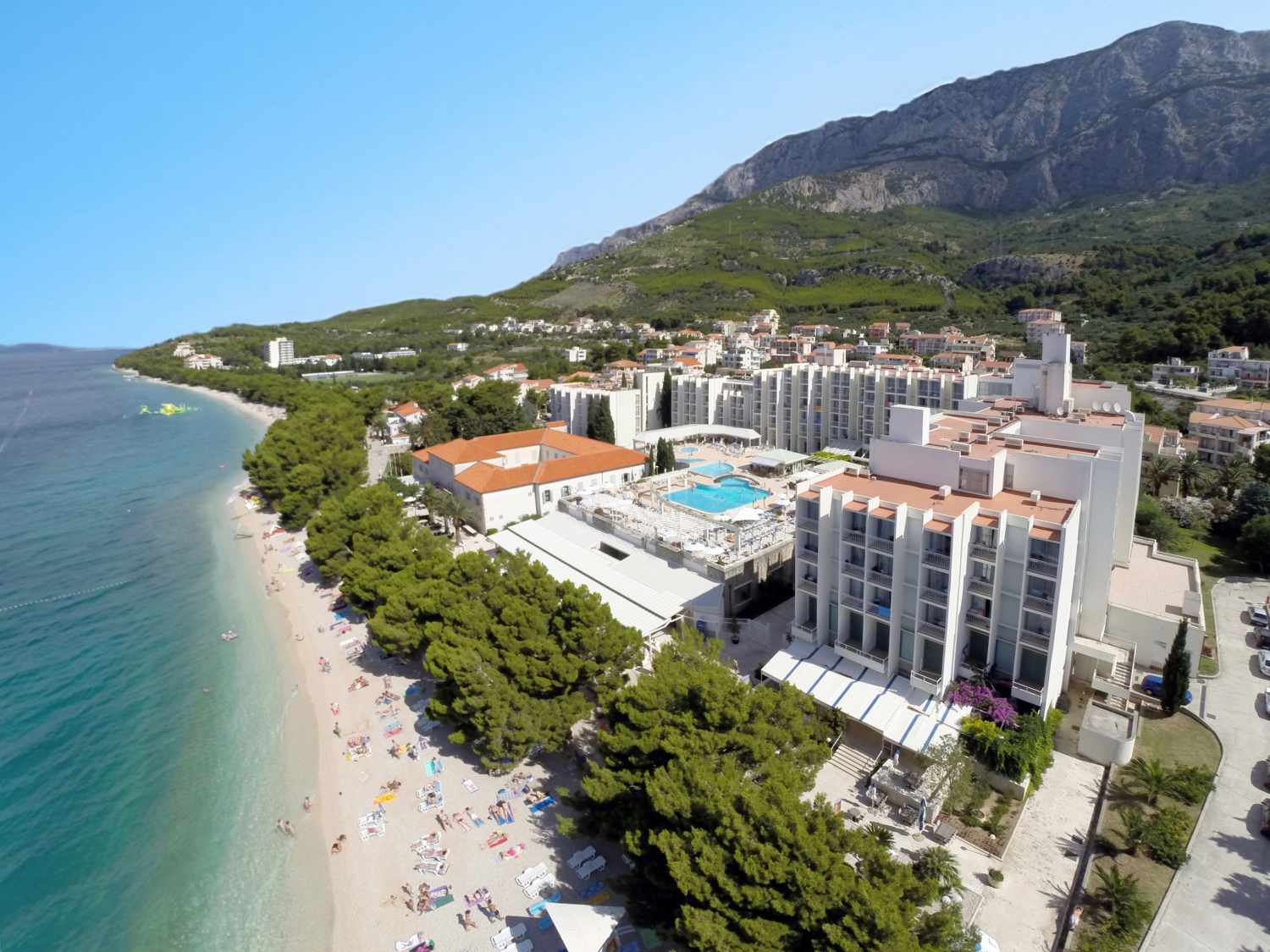 Tucepi9.8
Adriatische kust, Kroatië
Bluesun Hotel Alga
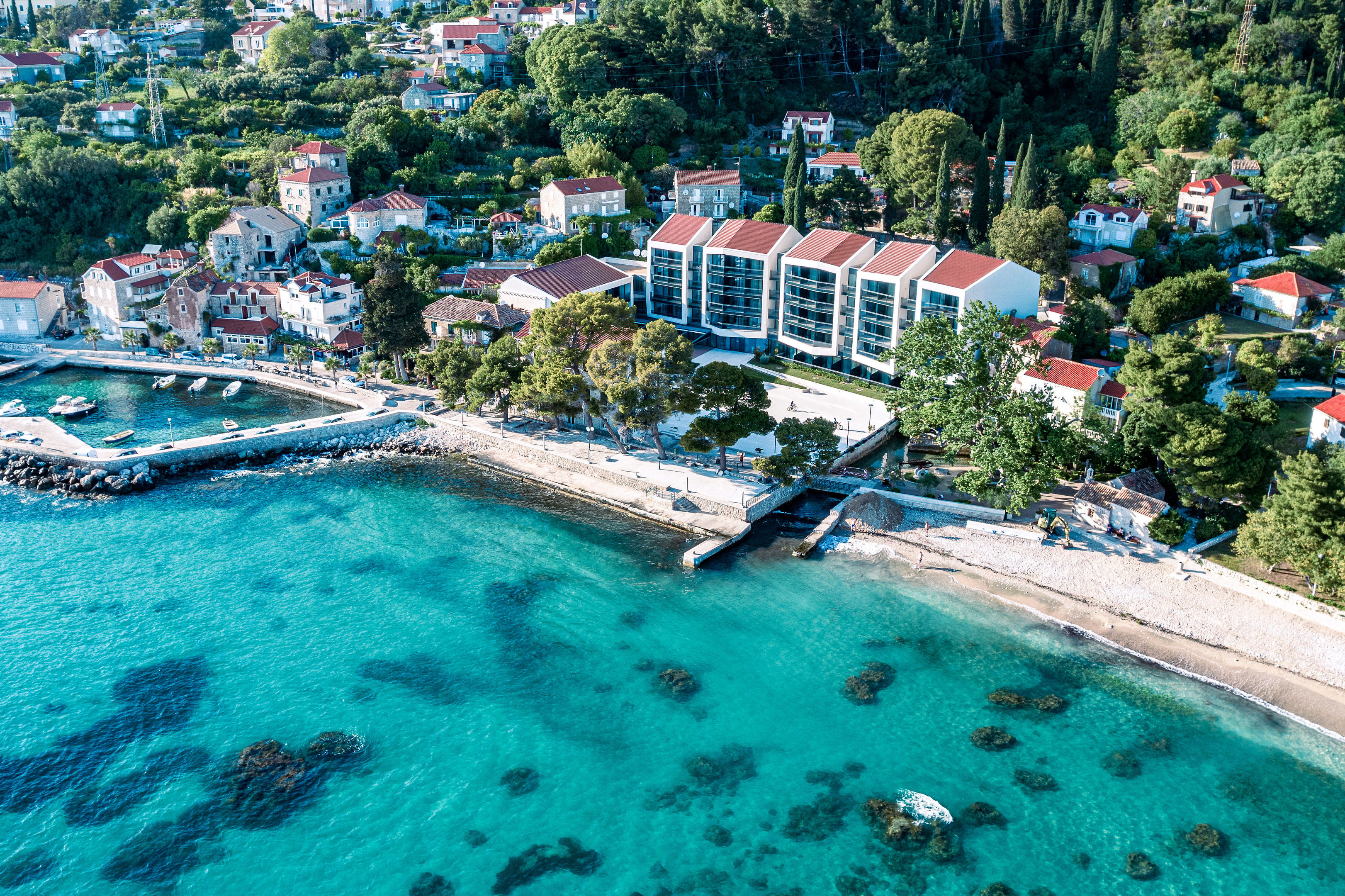 Mlini9.4
Adriatische kust, Kroatië
Maistra Select Mlini Hotel
Adriatische kust, Kroatië
Berkeley
Adriatische kust, Kroatië
Hotel Royal Neptun
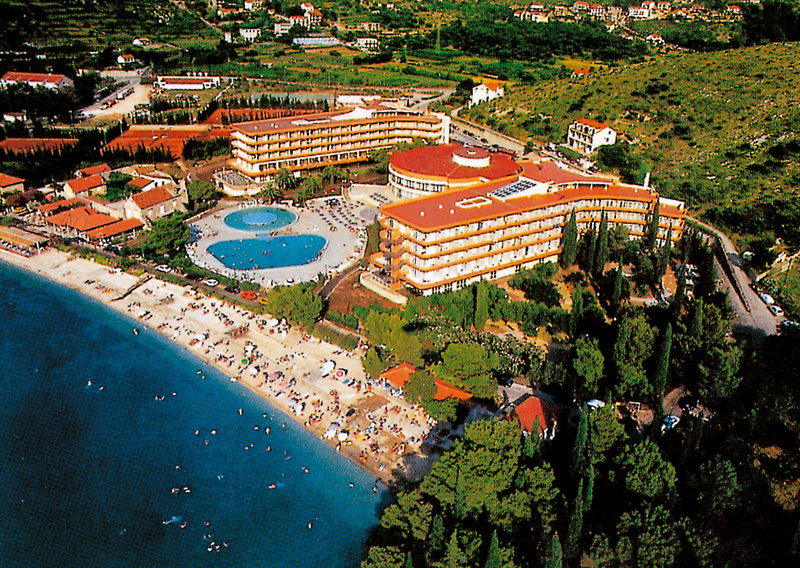 Cavtat10.0
Adriatische kust, Kroatië
Remisens Hotel Albatros
Adriatische kust, Kroatië
Bluesun Hotel Jadran
 Dubrovnik10.0
Adriatische kust, Kroatië
Valamar Argosy Hotel
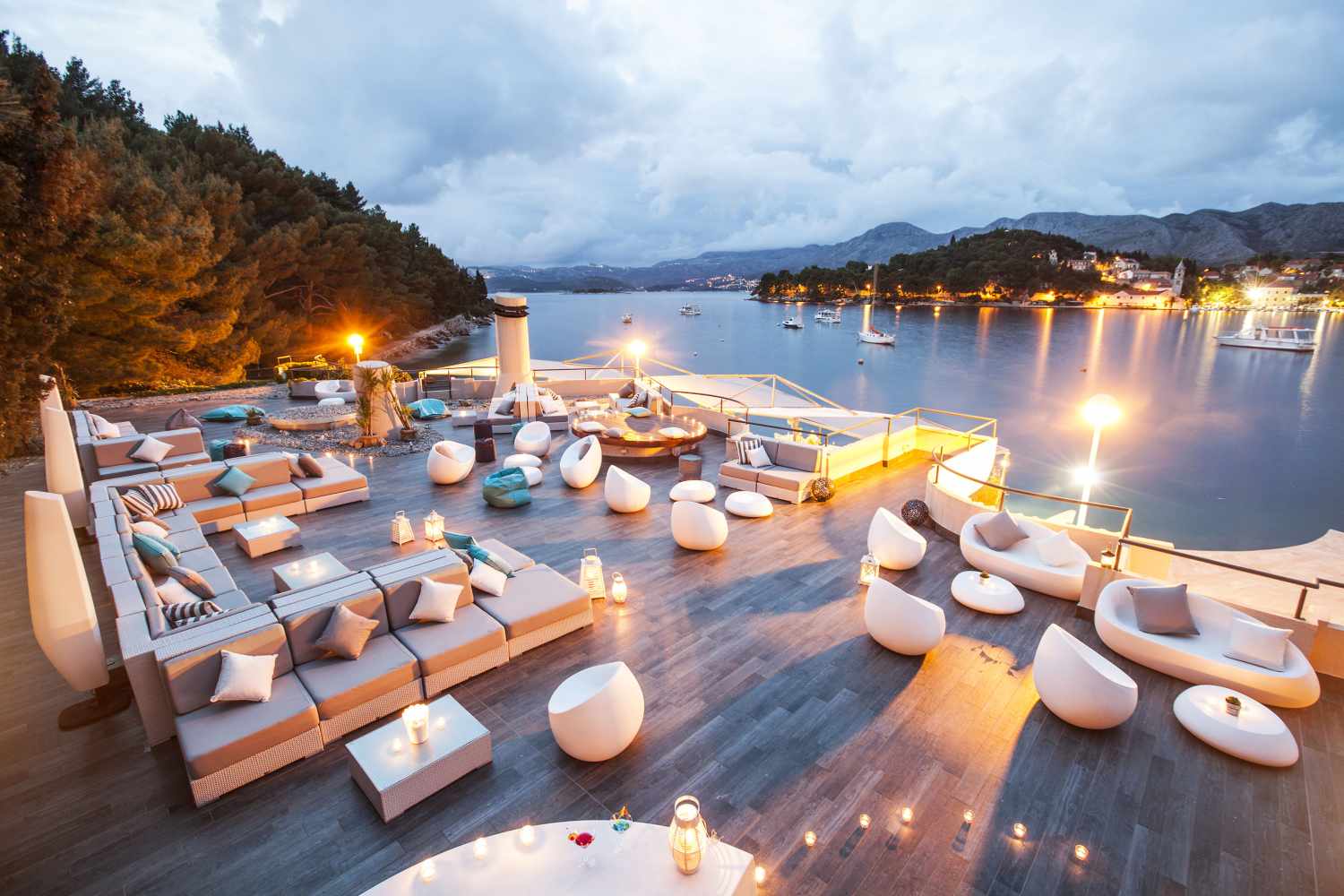 Cavtat9.4
Adriatische kust, Kroatië
Croatia Cavtat
Adriatische kust, Kroatië
Hotel Bastion
Adriatische kust, Kroatië
Hotel Sumratin
 Dubrovnik9.5
Adriatische kust, Kroatië
Valamar Lacroma Hotel
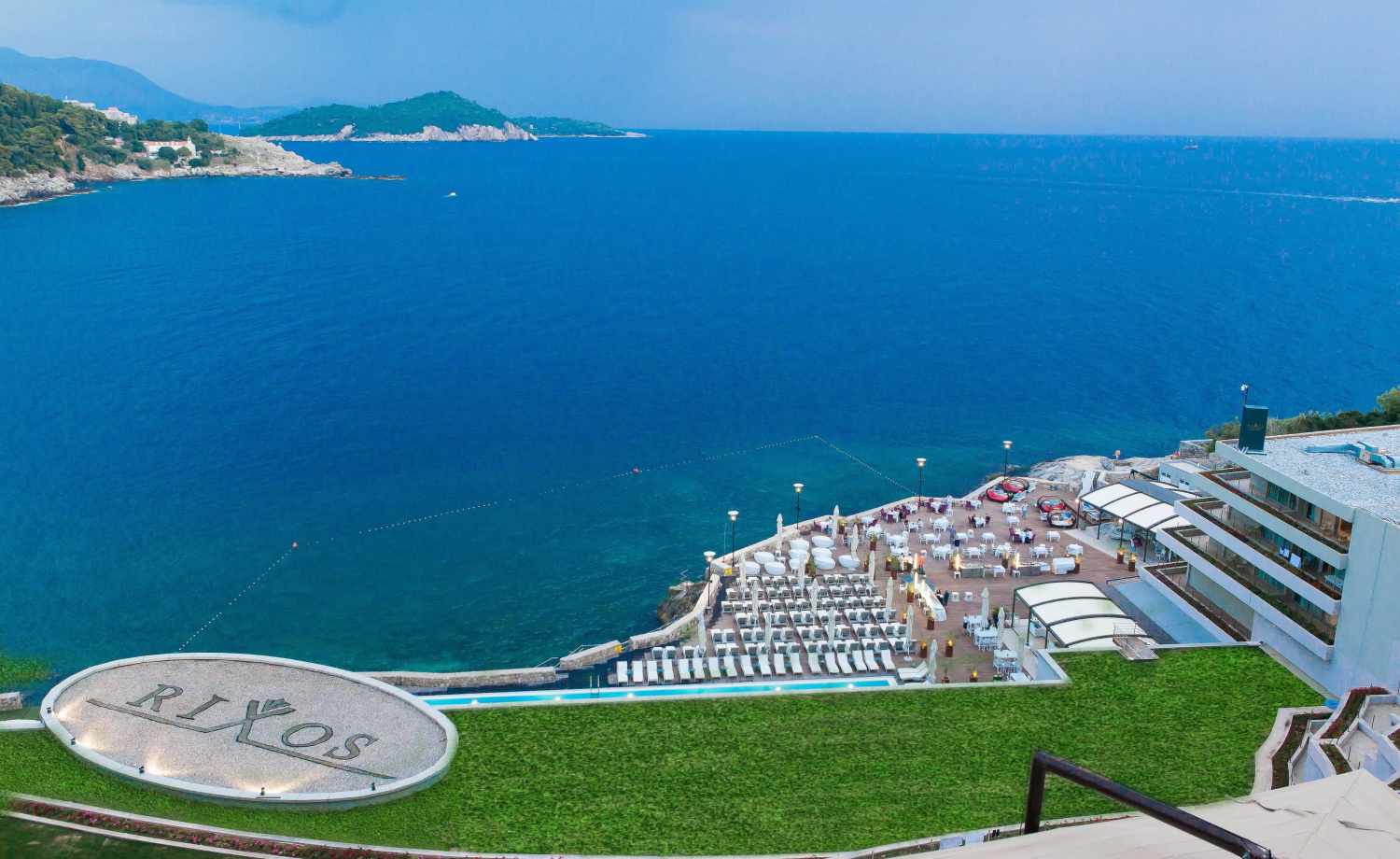 Dubrovnik9.3
Adriatische kust, Kroatië
Rixos Premium Dubrovnik
Adriatische kust, Kroatië
Apartments For You In Split
Adriatische kust, Kroatië
Villa Orabelle
Adriatische kust, Kroatië
Hotel Kazbek
Adriatische kust, Kroatië
Bluesun Hotel Mala Berulia
Adriatische kust, Kroatië
Marmont Heritage Hotel
Adriatische kust, Kroatië
Hotel Antonio
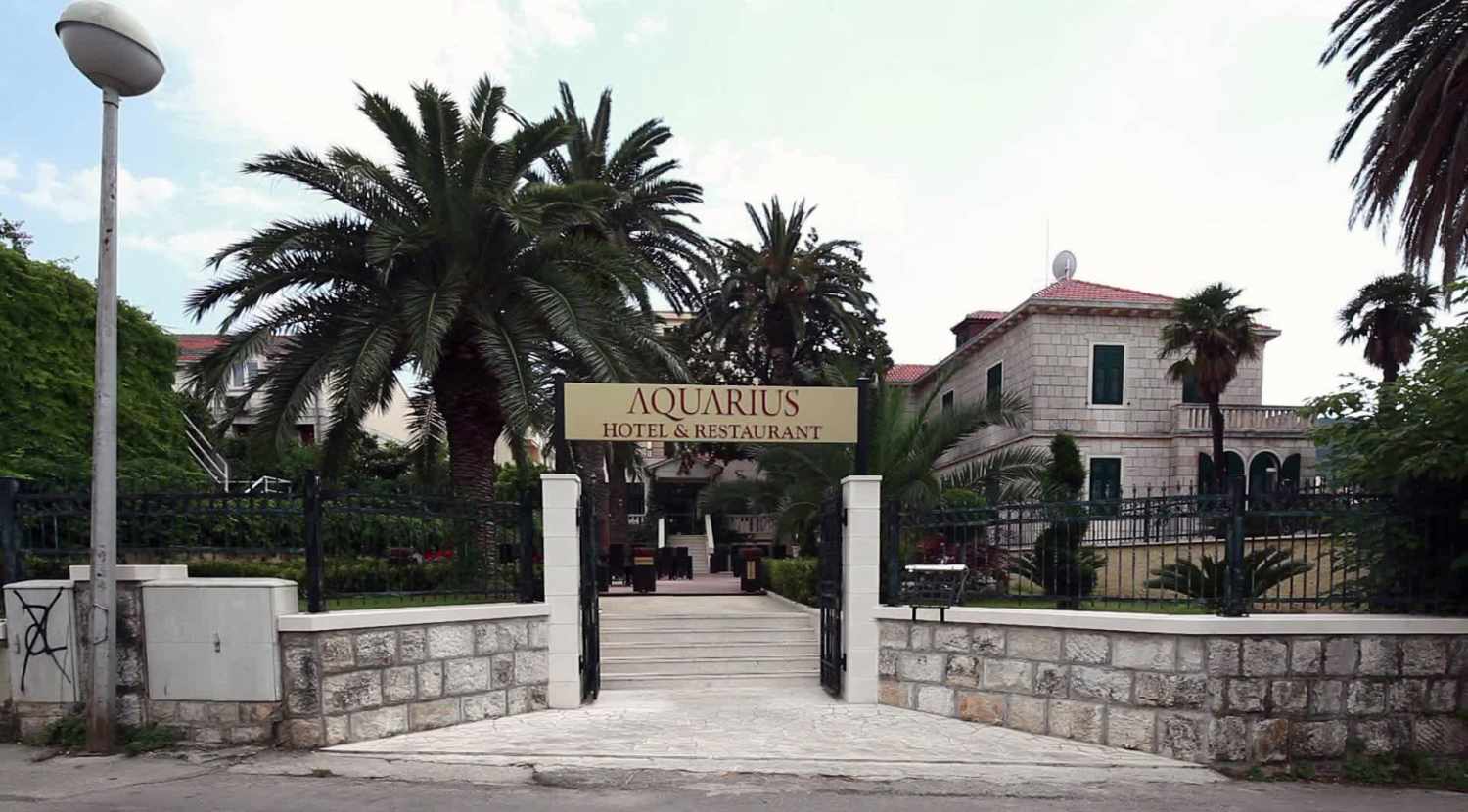 Dubrovnik9.5
Adriatische kust, Kroatië
Aquarius
Adriatische kust, Kroatië
Hotel Porin
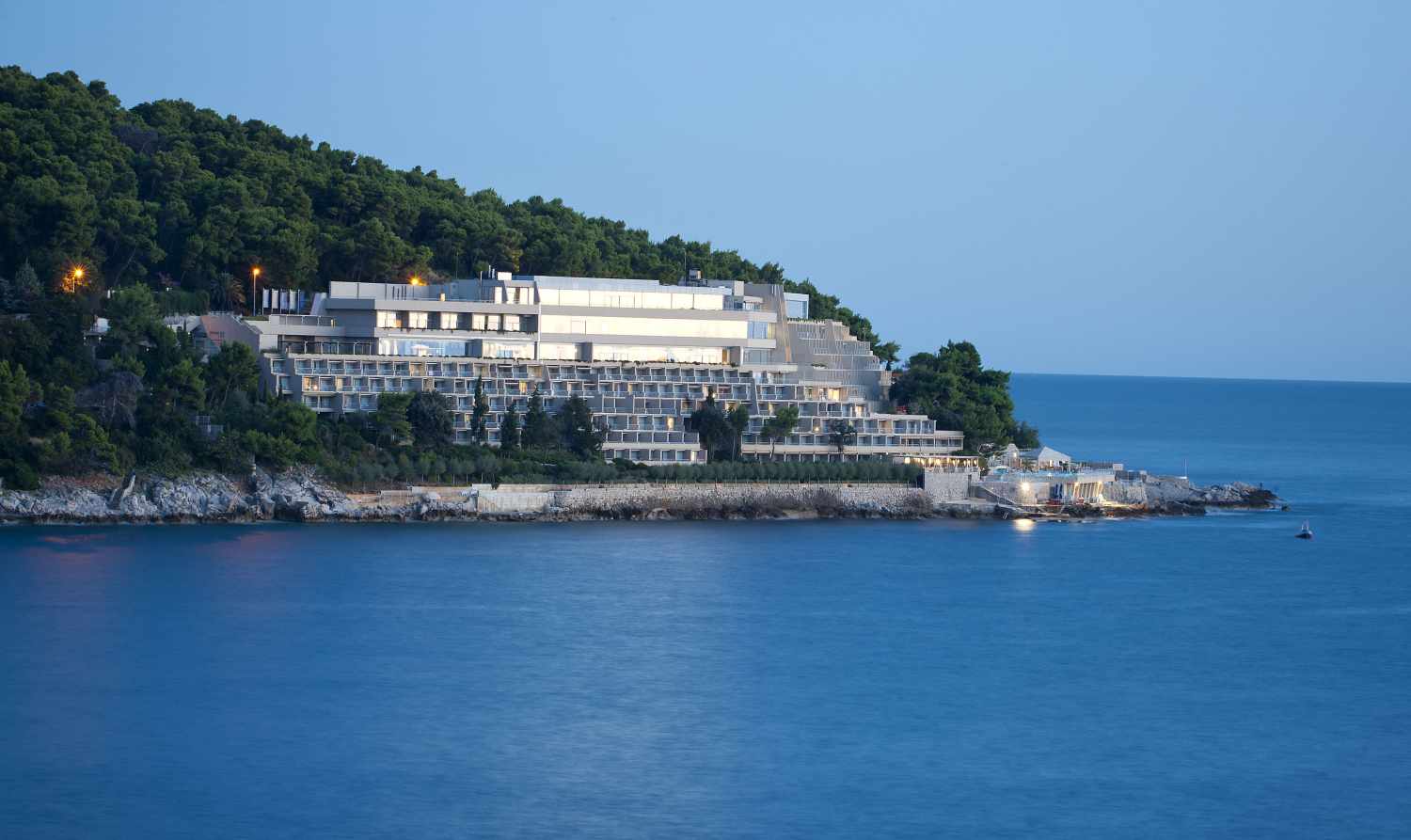 Dubrovnik10.0
Adriatische kust, Kroatië
Dubrovnik Palace
Adriatische kust, Kroatië
Tifani Luxury Rooms
Adriatische kust, Kroatië
Palace Natali
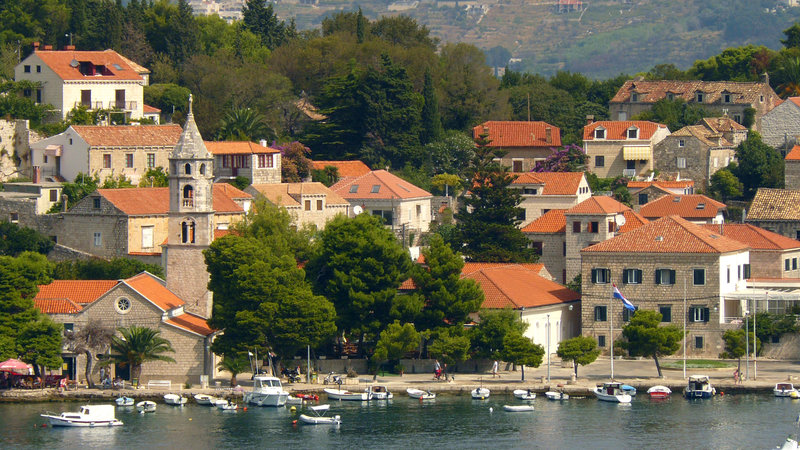 Cavtat9.3
Adriatische kust, Kroatië
Supetar Cavtat
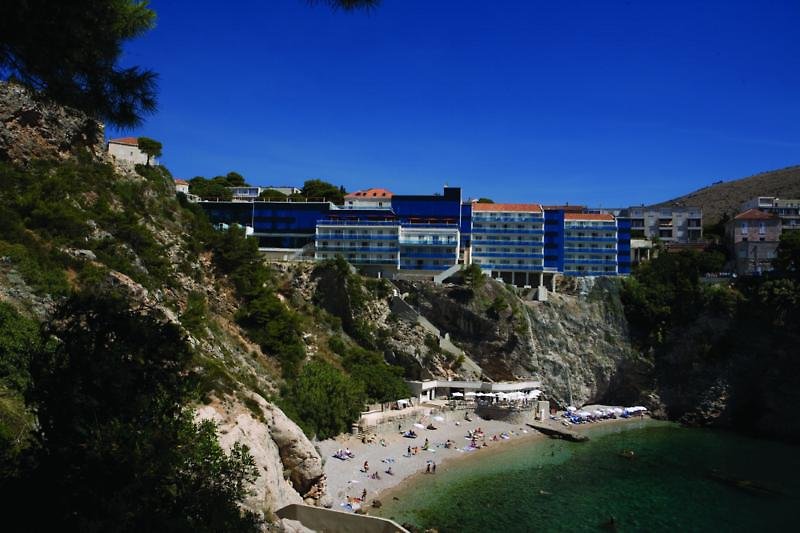 Dubrovnik9.6
Adriatische kust, Kroatië
Hotel Bellevue Dubrovnik
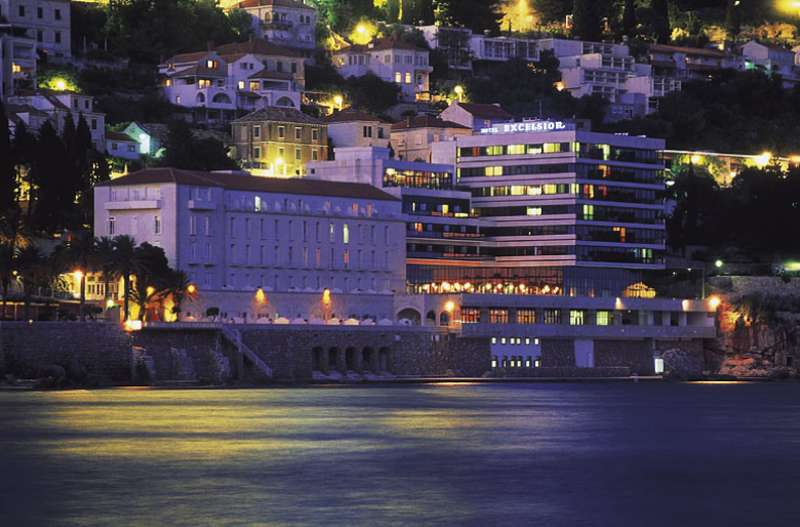 Dubrovnik9.4
Adriatische kust, Kroatië
Hotel Excelsior Dubrovnik
Adriatische kust, Kroatië
Villa Franica
FAQ about Adriatische kust
How warm is Adriatische kust in winter?
In winter Adriatische kust averages around 14°C during the day, with a sea temperature of about 16°C.
How many hours of sun does Adriatische kust get?
Adriatische kust gets roughly 7.1 hours of sun per day in winter.
What does a winter-sun holiday to Adriatische kust cost?
Accommodations in Adriatische kust start from around €97 per person; Nivosola compares 113 options, refreshed daily.
Is the Adriatic Coast in Croatia warm enough in winter for a sun holiday?
Yes, for a European winter destination it is genuinely warm. Daytime temperatures average around 14C and you can expect about 7.1 hours of sunshine per day. It is not tropical, but it is comfortably warm enough for outdoor sightseeing, coastal walks, and al fresco lunches, and very pleasant compared to winters in northern or central Europe.
Can you swim in the sea on the Croatian Adriatic Coast in winter?
The sea temperature in winter is around 16C, which is cool enough that most visitors prefer not to swim. However, the beaches and coastline are stunning to walk along and explore, and the clear water is a big part of what makes the scenery so beautiful even outside the swimming season.
How much does it cost to stay on the Adriatic Coast in winter?
On Nivosola you can find accommodation on the Croatian Adriatic Coast from EUR 88 per person, with 20 options available across different budgets and styles. Winter is generally the most affordable time to visit Croatia, with lower accommodation prices and better availability than in the busy summer months.