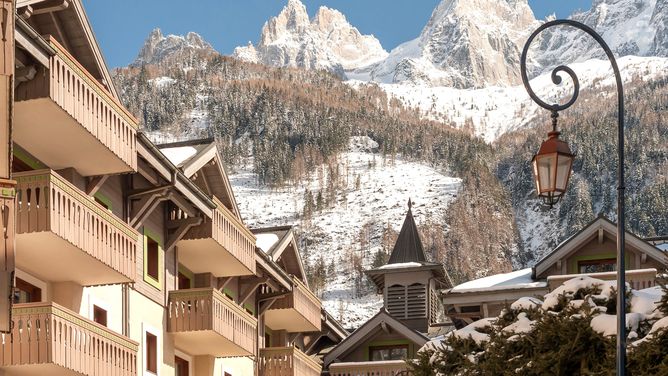
The short answer: The Mont Blanc ski area is best visited between late January and mid-March. Lift passes start from €54 per day (Chamonix Multi-Area). Top lifts reach 3,842 m (Aiguille du Midi). Flights from major European hubs to Geneva land in 1.5 to 2.5 hours, followed by a 1-hour transfer to Chamonix. Piste temperatures hover around -8 °C at altitude in February.
Which red and black runs should advanced skiers prioritise around Mont Blanc?
The Mont Blanc massif spreads across several interconnected ski areas, each offering genuinely challenging terrain above 2,000 m. Advanced skiers should focus on Chamonix's Grands Montets sector and the Les Houches and Brévent-Flégère domains for variety.
The Grands Montets alone drops 1,890 vertical metres from the top station at 3,275 m. The Pylônes black run, accessed from the Bochard gondola, is consistently rated among the steepest marked pistes in France, with gradients exceeding 60% in sections. At Brévent, the Cornu black descent delivers sustained steep skiing above the valley floor. Across the border, Courmayeur on the Italian side adds long, wide red motorways and the demanding Arp black run with 1,100 m of vertical.
| Ski Area | Top Altitude (m) | Vertical Drop (m) | Signature Advanced Run | Difficulty |
|---|---|---|---|---|
| Grands Montets (Chamonix) | 3,275 | 1,890 | Pylônes | Black |
| Brévent-Flégère | 2,525 | 1,760 | Cornu | Black |
| Les Houches | 1,900 | 980 | Kandahar | Black |
| Courmayeur (IT) | 2,755 | 1,120 | Arp | Black |
| La Thuile (IT) | 2,642 | 1,342 | Muret | Red/Black |
Book morning sessions on Grands Montets; the steep north-facing slopes hold cold, dry snow well into March while south-facing runs soften quickly after 11:00.
What lift passes and practical logistics do advanced skiers need to know?
Choosing the right pass determines how much terrain you can access. The standard Chamonix Le Pass covers all six Chamonix ski areas. The Mont Blanc Unlimited pass adds Courmayeur, La Thuile, and Verbier, covering over 445 km of marked pistes across France, Italy, and Switzerland.
| Pass Type | Duration | Adult Price (approx.) | Areas Covered |
|---|---|---|---|
| Chamonix Le Pass | 1 day | from €54 | 6 Chamonix sectors |
| Chamonix Le Pass | 6 days | from €281 | 6 Chamonix sectors |
| Mont Blanc Unlimited | 6 days | from €390 | Chamonix + Courmayeur + La Thuile + Verbier |
| Grands Montets Single | 1 day | from €47 | Grands Montets only |
Prices are indicative for the 2025-26 season; early-booking discounts of 10-15% apply before 31 October. Geneva Airport (GVA) is the main gateway, with direct bus transfers to Chamonix taking approximately 1 hour 15 minutes and costing around €35-€45 per person. Trains via Martigny are slower but more scenic.
Chamonix accommodation in self-catered apartments starts from around €850 pp for 7 nights in January. Peak weeks in mid-February can exceed €1,400 pp for comparable lodging. Booking three to four months in advance secures the best rates and the most central locations for ski-in/ski-out access.
How does snow reliability hold up across the Mont Blanc season for expert skiers?
Snow reliability is a genuine concern in lower Chamonix village (1,035 m), but advanced skiers spend most of their time above 2,000 m where natural snow is consistent from December through April. The Grands Montets glacier terrain remains skiable on natural snow until late April in a normal season.
| Month | Avg. Piste Temp at 2,500 m (°C) | Natural Snow Depth at 2,500 m (cm) | Daylight Hours | Crowd Level |
|---|---|---|---|---|
| December | -10 | 80-120 | 8.5 | Low-Medium |
| January | -12 | 100-150 | 9.0 | Low |
| February | -10 | 120-180 | 10.5 | High |
| March | -6 | 100-160 | 11.5 | Medium |
| April | -2 | 60-120 | 13.0 | Low |
January is the sweet spot: deep snowpack, low crowds, cold stable temperatures, and prices 15-20% below February peaks. Advanced skiers who can avoid school holidays will find quieter lift queues at Grands Montets, where weekend queues for the Bochard gondola can otherwise exceed 25 minutes.
Wind closures are a reality on high-altitude lifts like the Aiguille du Midi telepherique; plan at least one buffer day in a 7-night trip, and use closures to explore the lower Les Houches pistes or the extensive off-piste with a guide.
For more expert ski destinations and planning tools, visit our complete wintersport guide.
Frequently asked questions
When is the best time for advanced skiing near Mont Blanc?
Late January through mid-March offers the most reliable snow above 2,000 m and the longest daylight hours, with average piste temperatures between -5 °C and -10 °C.
How much does a ski week near Mont Blanc cost per person?
Expect from around €850 pp for a 7-night self-catered apartment in Chamonix valley during January, rising to €1,400 pp or more in peak February school holiday weeks.
Do I need an off-piste guide for the advanced runs in the Mont Blanc area?
For marked red and black pistes no guide is required, but for the famous Vallée Blanche and other glacier itineraries a certified mountain guide is strongly recommended and in some conditions mandatory.
